Knowledge & advice
Government rules on installing an air conditioner
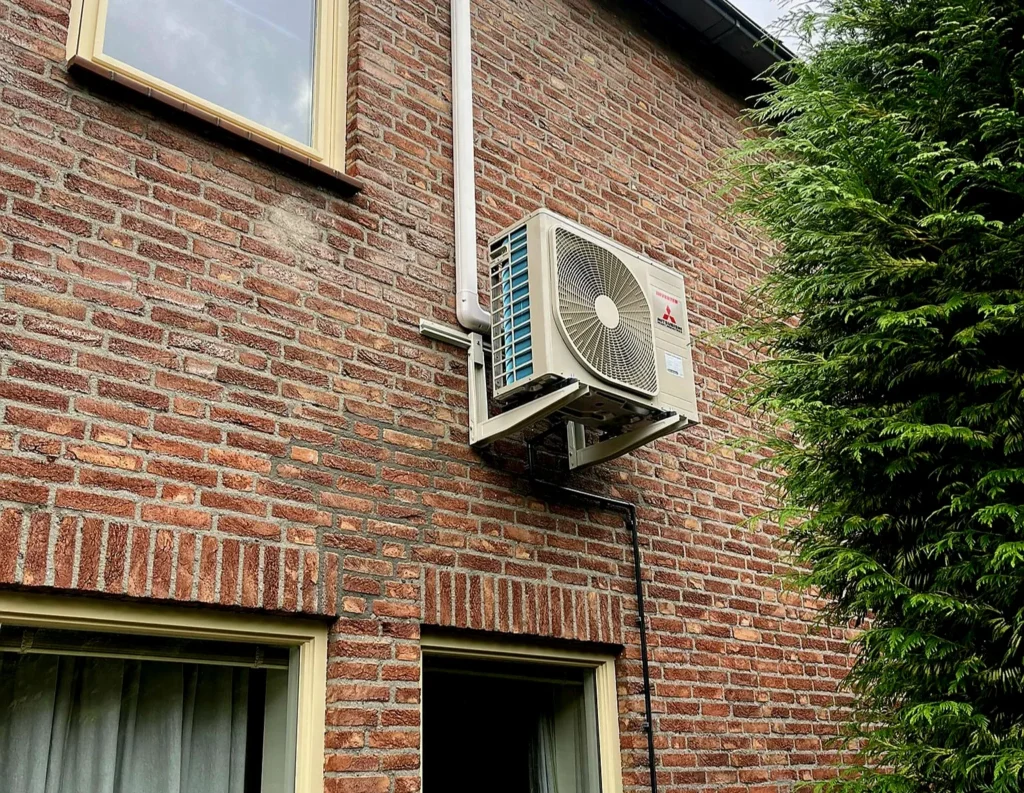
The rules for installing an air conditioner depend on several factors, such as where you live, the type of home, and whether you live in a protected town or village conservation area. The main general rules are set out below:
Permit exempt or permit required
Permit exempt: In most cases, installing an air conditioner on the rear or side facade of a home is permit exempt, provided the unit is not visible from the public road. This applies mainly to homes without listed status.
Permit required: If the air conditioner is placed on the front facade or if the home is in a protected town or village conservation area, you often do need an environmental permit. This also applies to listed buildings.
Noise nuisance
Air conditioning installations must not cause noise nuisance. The government sets requirements for the maximum noise production of outdoor units of air conditioners, especially in residential areas. This is regulated in the Activities Decree:
Environmental management: During the day (between 07:00 and 19:00) the sound level often may not exceed 50 dB(A) at the neighbours’ facade. At night (between 23:00 and 07:00) stricter requirements apply, for example a limit of 40 dB(A).
Distance to neighbours: Place the air conditioner unit where the nuisance to neighbours is minimal. A minimum distance of 2 metres to the property boundary is often recommended.
Installation in apartments
In apartments you often need permission from the Owners’ Association (VvE). The VvE may have rules on the placement of air conditioner units, especially on the outside of the building.
Sustainability and energy performance:
Some municipalities encourage energy-efficient air conditioning installations through subsidies. It is worth asking your municipality about this.
For specific information and to check whether local or additional rules apply, it is best to contact the municipality or the Omgevingsloket (the Dutch national permit desk).